
The Difference Between Being Busy and Being Productive
For many accountants, surveyors and other professional services firms, being busy is often seen as a sign of success. Diaries are full, inboxes are overflowing and teams are working hard to meet client demands.
But being busy and being productive are not always the same thing.
In fact, many firms can spend significant amounts of time on activities that feel important in the moment but contribute very little to overall profitability, client outcomes or business growth.
The challenge is understanding the difference.
Busy Work vs Productive Work
A busy day can involve dozens of emails, back-to-back meetings, administrative tasks, internal discussions and unexpected client requests. While these activities may all be necessary, they don’t necessarily move the business forward.
Productive work, on the other hand, is time spent on activities that create value. This could include:
- Delivering client projects
- Completing billable work
- Developing client relationships
- Improving processes and efficiencies
- Supporting strategic business objectives
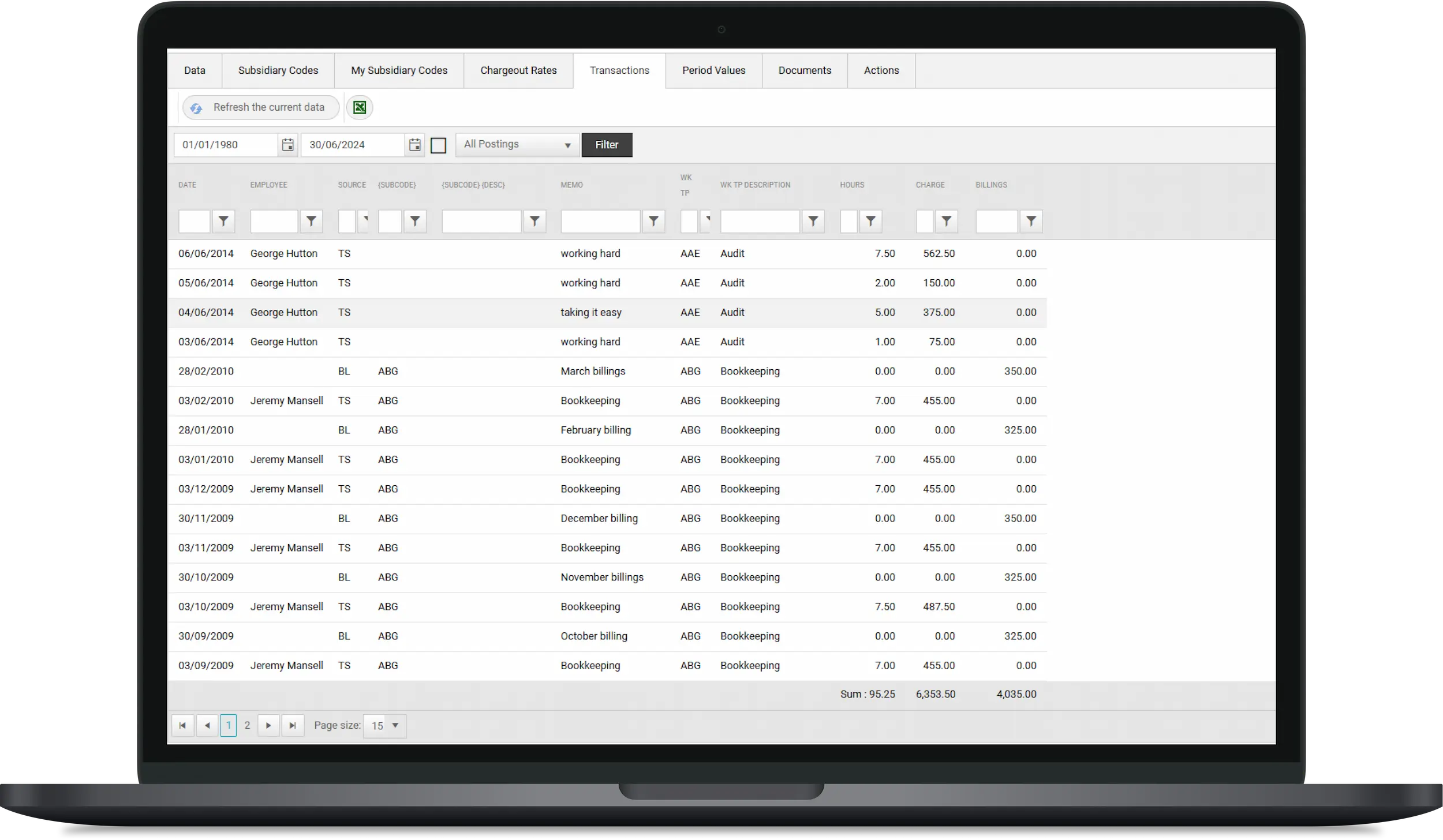
Without visibility into how time is being spent, it can be difficult to determine whether teams are focusing on high-value activities or simply reacting to demands as they arise.
Why Visibility Matters
Many professional services firms have a good understanding of how busy their teams are. Fewer have a clear understanding of what that busyness actually consists of.
When time is tracked consistently, businesses can begin to answer important questions such as:
- Which activities contribute most to profitability?
- How much time is being spent on non-billable work?
- Are teams operating efficiently?
- Where are opportunities to improve utilisation?
- Which clients or projects require the greatest amount of resource?
These insights can help business leaders make better decisions based on evidence rather than assumptions.
The Hidden Impact of Non-Billable Time
Every firm needs to allocate time to internal meetings, administration, training and business development. However, when non-billable activities begin to consume too much of the working day, profitability can suffer.
Small amounts of unproductive time may not seem significant on their own, but they can quickly add up across a team.
For example, if employees spend just thirty minutes each day on avoidable administrative tasks, that can equate to hundreds of hours over the course of a year that could potentially be redirected towards more valuable work.
Understanding where these inefficiencies exist is the first step towards addressing them.
Productivity Drives Better Decisions
Accurate time data provides more than just a record of hours worked. It creates a clearer picture of how the business operates.
With the right information, firms can:
- Allocate resources more effectively
- Improve project planning
- Identify workload imbalances
- Enhance client profitability
- Support sustainable growth
Rather than relying on instinct alone, leaders can use data to understand where time is delivering value and where improvements can be made.
It’s Not About Working More Hours
One of the biggest misconceptions in professional services is that productivity simply means working longer hours.
In reality, highly productive firms focus on making better use of the time available to them. They understand which activities generate value, which processes create inefficiencies and how resources can be utilised most effectively.
Success isn’t measured by how busy a team appears to be. It’s measured by the outcomes they achieve.
Turning Time Data Into Business Insight
Time tracking should never be viewed as a box-ticking exercise. When used strategically, it provides valuable insight into performance, utilisation and profitability.
By understanding the difference between being busy and being productive, professional services firms can make smarter decisions, improve efficiency and ensure their teams are focused on the work that matters most.
Because when you know where your time creates value, you gain the information needed to drive better results for both your business and your clients.