
Why Data-Driven Decisions Matter More Than Ever
In today’s increasingly competitive business landscape, making decisions based on assumptions or gut instinct can be risky. While experience and intuition still have their place, businesses that use data to guide their decisions are often better equipped to improve performance, identify opportunities and achieve sustainable growth.
What Does Data-Driven Decision-Making Mean?
Data-driven decision making is the process of using information, metrics and business insights to support strategic decisions. Rather than relying solely on opinion or historical routines, organisations can use real-time data to understand trends, measure performance and make informed choices.
Whether it’s reviewing financial reports, tracking expenses, monitoring sales performance or analysing customer behaviour, access to accurate data helps businesses gain a clearer picture of what’s happening across the organisation.
Why Is It Important?
Increased Accuracy
Data provides objective evidence that can help reduce guesswork and uncertainty. By basing decisions on measurable information, businesses can make choices with greater confidence and minimise costly mistakes.
Better Financial Visibility
Understanding cash flow, profitability and operational costs is essential for every business. Access to timely financial information allows business owners and managers to spot potential issues early and take corrective action before problems escalate.
Faster Decision Making
When information is readily available, decision makers can respond more quickly to challenges and opportunities. This can be particularly valuable in fast-moving industries where delays may result in missed opportunities.
Improved Business Performance
Businesses that regularly monitor and analyse key metrics are better positioned to identify inefficiencies, improve processes and allocate resources more effectively. Over time, these small improvements can have a significant impact on overall performance.
Common Challenges Businesses Face
Despite the benefits, many organisations still struggle to make the most of their data. Common challenges include:
- Information spread across multiple systems
- Time-consuming manual reporting processes
- Limited visibility of financial performance
- Difficulty accessing real-time information
- Inconsistent or outdated data
Without a centralised view of business information, it can be difficult to gain meaningful insights and make informed decisions.
How Technology Can Help
Modern business software enables organisations to collect, organise and analyse information more efficiently than ever before. By bringing key data together in one place, businesses can spend less time gathering information and more time using it.
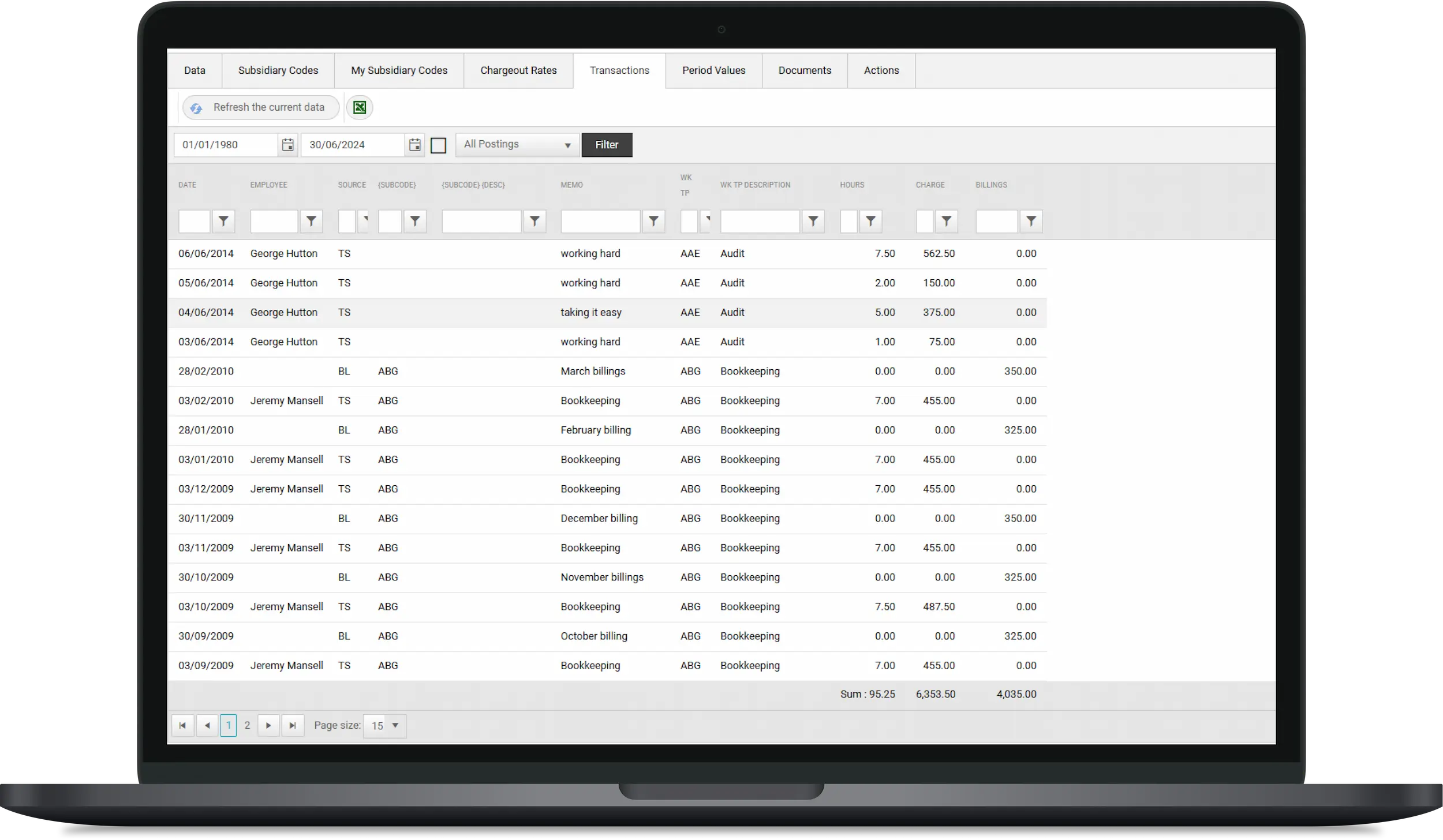
Solutions such as TallyPro provide real-time access to financial information, reporting tools and business insights, helping organisations make smarter, more informed decisions. With greater visibility of performance and easier access to critical data, businesses can improve efficiency, strengthen financial management and support future growth.
Looking Ahead
As businesses continue to navigate changing markets and increasing competition, the ability to make informed decisions will become even more important. Organisations that embrace data-driven strategies are likely to be better equipped to adapt, innovate and succeed.
By turning information into actionable insights, businesses can move beyond assumptions and make decisions with greater confidence, clarity and control.